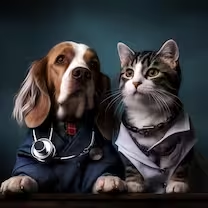
Halloween Candy & Costumes: Real Dangers for Pets
A single piece of Halloween candy left within your dog's reach could turn a fun celebration into a frightening veterinary emergency. Halloween brings excitement, colorful costumes, sweet treats, and festive decorations. However, many familiar holiday traditions introduce unexpected risks for dogs and cats, from toxic chocolate to uncomfortable costumes and dangerous decorations.
Understanding these hazards is essential for keeping your furry companions safe. With the right Halloween pet safety tips, you can enjoy the festivities while protecting your pets from preventable injuries, poisoning, and stress.
Why Halloween Can Be Dangerous for Dogs and Cats
Halloween changes the environment your pets experience every day. Unfamiliar visitors, ringing doorbells, noisy celebrations, and unusual decorations can make even normally confident animals feel nervous. Beyond emotional stress, common Halloween items can create serious physical dangers. Candy containing harmful ingredients, improperly fitted costumes, and discarded wrappers may lead to medical emergencies.
Some of the most common Halloween hazards for cats and dogs include:
- Chocolate and sugar-free candy containing toxic ingredients.
- Candy wrappers that may cause choking or intestinal blockages.
- Tight costumes that restrict movement or breathing.
- Small costume accessories that pets may swallow.
- Electrical decorations, candles, and dangling cords.
- Loud noises and unfamiliar visitors that trigger anxiety.
According to the American Society for the Prevention of Cruelty to Animals (ASPCA), chocolate, certain sugar-free sweets, costumes, and holiday decorations require special precautions during Halloween.
Halloween Candy Dangers for Pets: What You Must Know
Halloween candy may look harmless, but ingredients that humans enjoy can have very different effects on animals. Dogs are particularly likely to investigate candy bowls or discarded treats. Cats may be less interested in sweets, but they can still encounter toxic ingredients or swallow packaging while playing.
1. Chocolate Poisoning in Dogs
Chocolate is among the most concerning toxic Halloween treats for dogs because it contains theobromine and caffeine. These substances belong to a group called methylxanthines, which can negatively affect an animal's nervous system and heart. The severity of chocolate poisoning depends on the chocolate type, quantity consumed, and the pet's body weight. Dark chocolate, baking chocolate, and cocoa powder generally present greater risks because they contain higher concentrations of these substances.
Common signs of chocolate poisoning in dogs include:
- Vomiting and diarrhea.
- Increased thirst or urination.
- Restlessness and hyperactivity.
- Rapid or irregular heartbeat.
- Muscle tremors.
- Seizures in severe cases.
Important: Never assume that a small chocolate treat is safe. Contact your veterinarian promptly if your dog consumes chocolate, even before symptoms appear.
2. Sugar-Free Candy and Xylitol Toxicity
Many sugar-free candies, gums, and mints contain xylitol, a sweetener also sometimes labeled as birch sugar. Although xylitol is commonly used in human products, it can be extremely dangerous for dogs. It may cause a rapid release of insulin, resulting in dangerously low blood sugar and, in some cases, liver injury. The U.S. Food and Drug Administration (FDA) warns that signs of xylitol poisoning can begin rapidly, sometimes within 20 minutes, although other effects may develop later.
Potential symptoms include:
- Sudden weakness.
- Vomiting.
- Difficulty standing or walking.
- Trembling.
- Collapse.
- Seizures.
Xylitol exposure is a veterinary emergency. Seek immediate professional assistance if your dog eats a product containing this ingredient.
3. Raisins and Other Dangerous Sweet Ingredients
Raisins may appear in Halloween snack mixes, chocolate-covered treats, and baked goods. However, raisins and grapes can cause severe kidney injury in dogs. The amount that may cause harm is unpredictable, so even a seemingly small exposure deserves immediate veterinary attention. Other high-fat or sugary treats may cause digestive upset, and fatty foods can trigger pancreatitis in susceptible pets.
4. Candy Wrappers and Choking Hazards
Not every Halloween candy danger comes from the ingredients. Foil, plastic, and cellophane wrappers may cause choking or gastrointestinal obstruction when swallowed. Curious kittens and playful dogs may also chew packaging after the candy has been removed. Keep wrappers and empty treat bags in covered, pet-proof trash containers, and inspect areas where children have been enjoying their Halloween treats.
What Should I Do If My Dog Eats Halloween Candy?
Discovering an empty candy wrapper beside your dog can be alarming. However, taking the correct steps immediately can help prevent complications.
Step 1: Remove Access to the Candy
Move the remaining sweets and packaging away from your pet. Check whether other pets may also have eaten anything.
Step 2: Identify What Was Consumed
Look for the candy packaging and ingredient information.
Record these details:
- Candy name and type.
- Ingredients, especially chocolate, xylitol, or raisins.
- Estimated quantity consumed.
- Approximate time of ingestion.
- Your pet's weight.
- Any symptoms already appearing.
Step 3: Contact Your Veterinarian Immediately
Call your veterinarian or an emergency veterinary hospital for advice, particularly if the candy contains a known toxin. In the United States, the ASPCA Animal Poison Control Center is also available at (888) 426-4435. Consultation fees may apply.
Step 4: Avoid Unapproved Home Remedies
Do not attempt to make your pet vomit or administer medications unless instructed by a veterinary professional. Some substances and situations make inducing vomiting inappropriate or dangerous.
Step 5: Follow Professional Instructions
Your veterinarian may recommend an examination, monitoring, laboratory testing, or treatment depending on the exposure. Never wait for obvious symptoms when a toxic ingredient is suspected. Early veterinary assessment can significantly improve the chances of appropriate treatment.
Pet Halloween Costume Safety: Cute Outfits Can Hide Serious Risks
Dressing pets in Halloween costumes has become a popular tradition. While a pumpkin sweater or superhero outfit may look adorable, not every pet feels comfortable wearing clothing. Proper pet Halloween costume safety requires more than choosing the right size. Pet owners must consider movement, temperature regulation, visibility, and emotional comfort.
1. Restrictive Costumes Can Cause Discomfort
Costumes that fit too tightly may interfere with natural movement, walking, sitting, or lying down. Outfits covering the face can also restrict vision, while accessories around the neck may become entangled or create choking risks. Choose costumes that allow pets to move freely, breathe comfortably, and communicate naturally.
2. Overheating Is a Hidden Costume Risk
Dogs and cats regulate body temperature differently from humans. Thick costumes, multiple fabric layers, and warm indoor environments may increase the risk of overheating. Watch for excessive panting, agitation, drooling, weakness, or unusual behavior. Remove the costume immediately if your pet appears uncomfortable or overheated.
3. Small Decorations Can Become Choking Hazards
Buttons, bells, ribbons, plastic eyes, and detachable accessories may seem harmless but can become dangerous if chewed or swallowed. Inspect costumes carefully before use and remove anything that could become loose.
4. Some Pets Experience Costume-Related Anxiety
Not every dog or cat enjoys dressing up. Common signs of discomfort include freezing, hiding, excessive licking, flattened ears, attempts to remove the outfit, or unusual vocalization. The ASPCA recommends avoiding costumes for pets that show distress and suggests a simple festive bandana as an alternative. A comfortable pet is more important than a perfect Halloween photograph.
Are Halloween Costumes Safe for Dogs and Cats?
Halloween costumes can be suitable for some pets when they are lightweight, properly fitted, and well tolerated.
Before dressing your pet, use this safety checklist:
- Select breathable, lightweight materials.
- Avoid masks or anything covering the eyes or nose.
- Keep the mouth, ears, and tail unrestricted.
- Remove dangling accessories and loose decorations.
- Allow your pet to try the costume before Halloween.
- Observe your pet's body language during the fitting.
- Never leave a costumed pet unattended.
For pets that dislike costumes, consider a festive collar, properly fitted bandana, or seasonal photograph without clothing.
Other Halloween Hazards for Cats and Dogs
Candy and costumes deserve attention, but several additional Halloween traditions can also create unexpected risks.
Decorations, Candles, and Electrical Wires
Glowing pumpkins and decorative lights help create a festive atmosphere, but open flames can burn curious pets. Electrical cords may cause oral injuries or electric shocks if chewed. Consider battery-operated LED candles, secure electrical wiring, and place fragile decorations beyond your pet's reach.
Glow Sticks and Small Halloween Toys
Glow sticks can attract curious cats and dogs. When bitten, their contents can cause significant mouth irritation and drooling, while broken plastic can cause injury. Small plastic decorations and toys can also become choking hazards. Store these items securely and supervise pets around Halloween decorations.
Doorbells, Visitors, and Loud Noises
Frequent doorbell ringing and unfamiliar costumes can increase anxiety in sensitive pets.
Create a quiet room with comfortable bedding, drinking water, familiar toys, and gentle background noise. This allows your pet to relax away from crowded entrances and noisy celebrations.
Escaping Through Open Doors
Trick-or-treating means doors frequently open and close. Frightened pets may escape unexpectedly, especially when startled by unfamiliar visitors. Ensure your pet's identification tags and microchip details are current, and keep pets safely separated from busy entrances.
Which Halloween Candies Are Toxic to Dogs and Cats?
Understanding which treats present the greatest risks can help pet owners respond appropriately.
Halloween Treat | Potential Risk | Recommended Action |
Dark and baking chocolate | Potentially severe methylxanthine poisoning | Contact a veterinarian immediately |
Milk chocolate | Chocolate toxicity; risk varies by amount and pet size | Obtain veterinary guidance promptly |
Sugar-free candy with xylitol | Severe low blood sugar and possible liver damage in dogs | Seek emergency veterinary care |
Raisin-containing sweets | Potential acute kidney injury in dogs | Seek immediate veterinary assessment |
High-fat chocolate or creamy treats | Gastrointestinal upset or pancreatitis | Contact a veterinarian for guidance |
Candy wrappers | Choking or gastrointestinal obstruction | Seek veterinary advice if swallowed |
The ASPCA and FDA identify chocolate and xylitol as major concerns for pets, while swallowed packaging presents additional risks.
Essential Halloween Pet Safety Tips for Pet Parents
Planning ahead is the easiest way to make Halloween safer.
Before Halloween
- Store Halloween candy in closed cabinets.
- Inspect all costumes and decorations for potential hazards.
- Update pet identification and microchip information.
- Prepare a quiet, comfortable space for your pet.
- Keep your veterinarian's emergency contact information accessible.
During Halloween Celebrations
- Keep candy bowls away from pets.
- Supervise pets wearing costumes.
- Monitor body language for signs of stress.
- Prevent access to discarded wrappers and decorations.
- Keep pets secured when greeting trick-or-treaters.
- Offer pet-appropriate treats instead of human candy.
After Halloween
- Collect discarded candy and wrappers.
- Check beneath furniture for dropped treats.
- Put away loose decorations and electrical cords.
- Observe pets for unusual behavior.
- Contact a veterinarian if you suspect an ingestion or injury.
Consistent prevention is the most effective way to reduce Halloween-related pet emergencies.
Conclusion: Make Halloween Fun, Not Frightening, for Your Pets
Halloween should be a celebration filled with happy memories, not preventable veterinary emergencies. Understanding Halloween candy dangers for pets, recognizing costume-related risks, and preparing for unexpected situations can help protect your dog or cat throughout the festivities. Simple precautions such as storing sweets securely, choosing comfortable costumes, supervising decorations, and providing a quiet space can make a meaningful difference.
This Halloween, make your pet's safety part of the celebration. Review your home's potential hazards before the festivities begin, and keep your veterinarian's contact information close in case of an emergency. A little preparation can help ensure Halloween remains enjoyable for every member of your family, including those with paws.