Thanksgiving Food Safety, Feline Diabetes Awareness, and Senior Pet Wellness
A Thanksgiving meal can turn into an unexpected veterinary emergency when pets get hold of unsafe table scraps, while subtle changes in a cat's behaviour or an older dog's mobility can signal health problems that shouldn't be ignored. Keeping pets healthy requires more than occasional veterinary visits. It involves understanding everyday risks, recognising early warning signs of illness, and making thoughtful decisions about nutrition, exercise, and preventive care.
This Thanksgiving season, pet owners can take three important steps towards protecting their furry family members: keeping holiday foods out of reach, learning to recognise feline diabetes symptoms, and supporting the changing needs of senior pets. From identifying potentially toxic ingredients to understanding age-related health changes, here's what every responsible pet owner should know.
Thanksgiving Food Safety: Protect Your Pets from Holiday Hazards
Thanksgiving celebrations often involve generous meals, delicious desserts, and plenty of leftovers. While sharing food may feel like a loving gesture, some common holiday ingredients can be dangerous for dogs and cats. A food that is perfectly safe for people is not necessarily safe for pets. Understanding which Thanksgiving foods are toxic to pets can help prevent accidental poisoning, digestive problems, and emergency veterinary visits.
Thanksgiving foods toxic to pets
Keep the following foods away from your pets:
- Onions and garlic: Common in stuffing, gravies, and seasonings, these ingredients can damage red blood cells and cause anaemia in dogs and cats.
- Chocolate: Contains theobromine and caffeine, which can cause vomiting, abnormal heart rhythms, tremors, and seizures.
- Grapes and raisins: Even small amounts can cause serious kidney damage in dogs. Their toxic dose is unpredictable.
- Xylitol: This artificial sweetener, found in some sugar-free desserts and products, can cause dangerous drops in blood sugar and liver injury in dogs.
- Alcohol: Even small quantities can cause vomiting, disorientation, low blood sugar, and potentially life-threatening complications.
- Fatty foods and turkey skin: Rich, greasy foods can trigger digestive upset and may contribute to pancreatitis.
- Cooked turkey bones: These can splinter, creating choking hazards, intestinal injuries, or blockages.
What Thanksgiving foods are safe for dogs and cats?
Some Thanksgiving foods can be shared in small quantities if they are properly prepared.
Generally safer options include:
- Plain, fully cooked turkey: Offer small portions of boneless, skinless white meat without seasoning, butter, or gravy.
- Plain pumpkin: Cooked pumpkin without added sugar, spices, or pie filling can provide fibre.
- Plain green beans: Serve cooked or fresh green beans without butter, garlic, onions, or salt.
- Plain sweet potatoes: Fully cooked and unseasoned sweet potatoes can be offered in small portions.
- Plain carrots: Cooked or appropriately sized raw carrots can make a simple treat.
Remember that individual pets may have food allergies, medical conditions, or dietary restrictions. Introduce unfamiliar foods cautiously and check with your veterinarian if you're unsure.
Practical Thanksgiving food safety tips
A little preparation can make a significant difference during holiday gatherings.
- Keep food preparation areas and dining tables out of your pet's reach.
- Ask guests not to feed pets from their plates.
- Secure rubbish bins containing bones, wrappers, and food scraps.
- Keep desserts, alcoholic beverages, and sugar-free products away from pets.
- Give pets their regular meals and suitable treats instead of holiday leftovers.
Important: If your pet eats a potentially toxic food, contact your veterinarian or an emergency veterinary clinic immediately. Do not wait for symptoms to develop or attempt to induce vomiting unless a veterinary professional specifically instructs you to do so.
Feline Diabetes Awareness: Recognise the Warning Signs Early
Diabetes is a significant health concern for cats, particularly those who are overweight, less active, or getting older. Unfortunately, the early signs can be subtle and may be mistaken for normal changes in appetite, drinking habits, or behaviour. According to Cornell University College of Veterinary Medicine, approximately 1 in 100 to 1 in 500 cats will be diagnosed with diabetes during their lifetime. Early recognition and appropriate veterinary treatment can make a meaningful difference in managing the condition.
What are the early warning signs of diabetes in cats?
Pet owners should watch for these common feline diabetes symptoms:
- Increased thirst: Your cat may begin drinking significantly more water than usual.
- Frequent urination: You may notice larger or more frequent urine clumps in the litter box.
- Unexplained weight loss: A cat may lose weight despite maintaining a normal or increased appetite.
- Increased hunger: Some diabetic cats appear unusually hungry because their bodies cannot properly use glucose for energy.
- Reduced activity: Your cat may become less playful, sleep more, or appear unusually tired.
- Changes in walking: In more advanced cases, nerve damage can cause weakness in the hind legs and a flat-footed walking posture.
One important warning: Increased thirst, frequent urination, and unexplained weight loss should never be dismissed as normal ageing. These symptoms can also indicate other medical conditions and deserve veterinary evaluation.
What causes diabetes in cats?
Feline diabetes commonly resembles type 2 diabetes in humans. It occurs when the body does not produce enough insulin or cannot use insulin effectively.
Several factors can increase a cat's risk:
- Obesity: Excess body weight can contribute to insulin resistance.
- Age: Older cats have a higher risk of developing diabetes.
- Physical inactivity: A sedentary lifestyle can contribute to weight gain and metabolic problems.
- Gender: Male cats have been identified as having a higher risk in veterinary research.
- Certain medications: Long-term use of corticosteroids may increase diabetes risk in susceptible cats.
Cornell reports that obese cats can be up to four times more likely to develop diabetes than cats maintaining an ideal body weight.
How is feline diabetes diagnosed and managed?
If you notice potential symptoms, schedule a veterinary examination rather than attempting to manage the condition at home.
A veterinarian may recommend:
- Blood glucose testing.
- Urine testing to identify glucose levels.
- Fructosamine testing when additional confirmation of sustained high blood glucose is needed.
- A review of your cat's weight, appetite, water consumption, and medical history.
Treatment typically involves a combination of insulin therapy, appropriate dietary adjustments, weight management, and regular monitoring.
Can cats with diabetes live a healthy life?
Yes. Many diabetic cats can enjoy a good quality of life with consistent veterinary care and an appropriate treatment plan. Some cats may even achieve diabetic remission, meaning their blood glucose levels remain controlled without ongoing insulin treatment. However, remission is not guaranteed, and regular monitoring remains important. Never change or discontinue insulin without consulting your veterinarian.
Senior Pet Wellness: Keeping Older Dogs and Cats Healthy, Active, and Comfortable
As pets grow older, their physical, nutritional, and emotional needs begin to change. Activities that once felt effortless, such as climbing stairs, jumping onto furniture, or enjoying long walks, may become increasingly challenging. However, ageing does not mean pets should stop enjoying an active and fulfilling life. Senior pet care is about maintaining comfort, supporting mobility, identifying health concerns early, and preserving quality of life.
Common health changes in senior dogs and cats
Older pets may experience several age-related changes, including:
- Joint stiffness and arthritis: Difficulty standing, climbing stairs, jumping, or walking.
- Dental problems: Bad breath, difficulty chewing, inflamed gums, or reduced appetite.
- Changes in weight: Unexpected weight gain or unexplained weight loss.
- Vision and hearing changes: Difficulty recognising familiar surroundings or responding to sounds.
- Cognitive decline: Confusion, disrupted sleep, increased vocalisation, or changes in behaviour.
- Reduced energy: Less interest in physical activities and longer resting periods.
These changes should not automatically be considered a normal part of ageing. Some may indicate treatable medical conditions.
How to keep your senior pet active and engaged
Keeping older pets physically and mentally stimulated can support their overall wellbeing.
Here are some practical senior pet care tips:
1. Choose gentle, regular exercise
Older dogs may benefit from shorter, more frequent walks rather than strenuous activities. or cats, gentle play sessions using interactive toys can encourage movement without putting unnecessary pressure on their joints.
2. Provide mental stimulation
Mental engagement is just as important as physical activity.
Consider introducing:
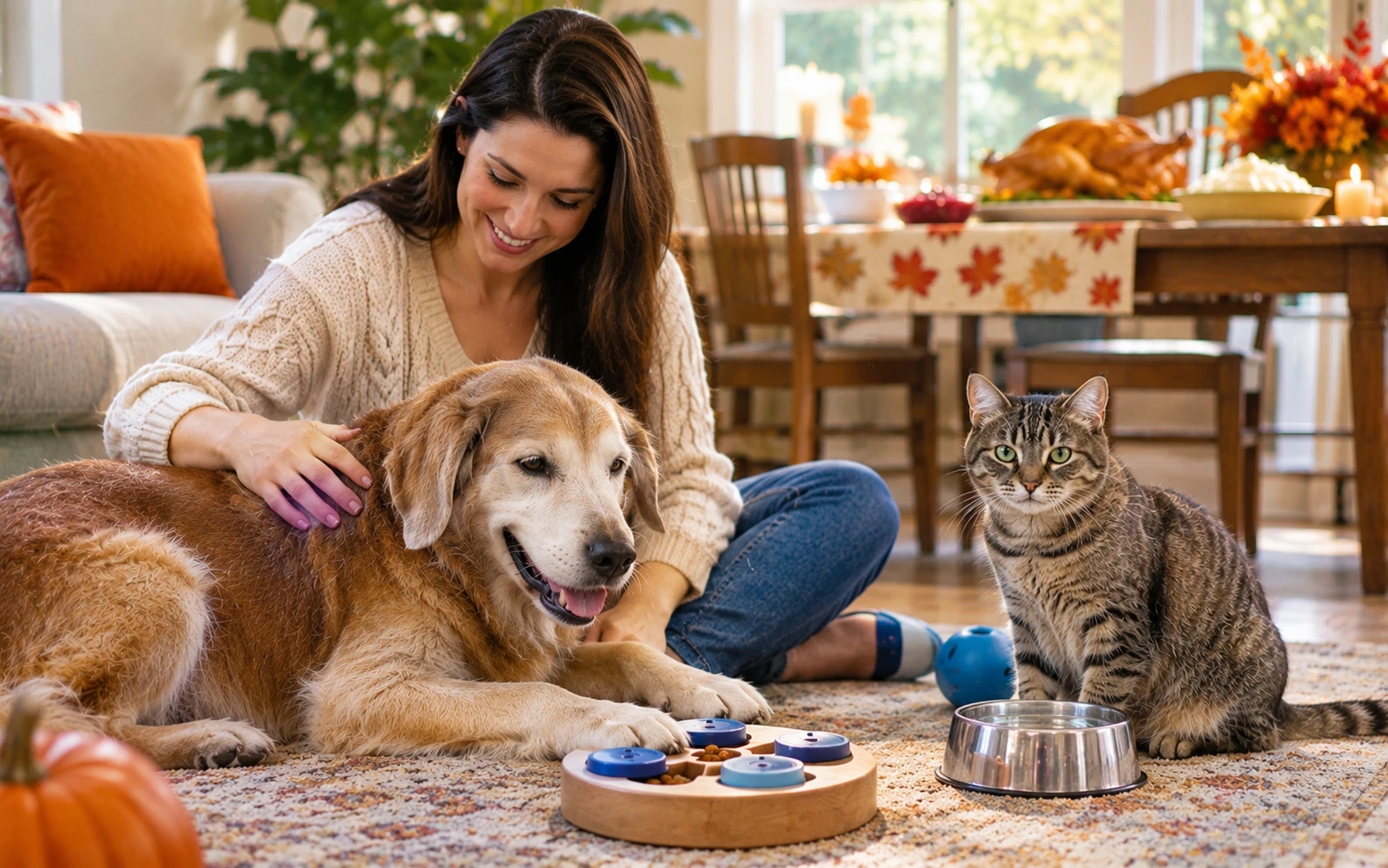
- Food puzzles and interactive toys.
- Gentle training exercises.
- Scent-based games for dogs.
- Short play sessions with favourite toys.
- Simple activities that encourage exploration.
3. Make your home senior-friendly
Small changes can make everyday activities more comfortable.
- Add non-slip rugs to slippery floors.
- Provide supportive, comfortable bedding.
- Use pet ramps or steps to reduce jumping.
- Keep food and water bowls easily accessible.
- Provide low-sided litter boxes for older cats with mobility difficulties.
4. Maintain appropriate nutrition
Senior pets may have different nutritional requirements depending on their age, body condition, activity level, and existing health conditions. Work with your veterinarian to determine whether your pet needs adjustments to calorie intake, protein levels, dietary fibre, or a therapeutic diet. Avoid making significant dietary changes without professional guidance.
5. Maintain dental hygiene
Dental health becomes increasingly important as pets age. Regular tooth brushing, appropriate dental products, and professional dental examinations can help prevent discomfort and identify oral health problems.
Why are regular veterinary check-ups important for senior pets?
One of the most effective ways to support senior pet wellness is through preventive veterinary care. The American Animal Hospital Association (AAHA) recommends veterinary examinations every six months for senior dogs older than seven years and senior cats older than ten years. These visits help identify potential health concerns before they become more difficult to manage.
A senior wellness examination may include:
- Comprehensive physical examination.
- Weight and body condition assessment.
- Dental and oral health evaluation.
- Blood and urine testing when appropriate.
- Joint mobility and pain assessment.
- Nutritional and lifestyle recommendations.
- Screening for age-related medical conditions.
Remember: Early detection can help veterinarians develop a suitable treatment plan, manage chronic conditions, and improve your pet's comfort as they age.
Everyday Pet Health and Wellness: Small Habits That Make a Big Difference
Whether you have a playful puppy, an adult cat, or a senior companion, preventive care should remain part of your everyday routine.
Consider following these simple habits:
- Schedule routine veterinary wellness examinations.
- Provide balanced, age-appropriate nutrition.
- Maintain a healthy body weight.
- Ensure access to clean, fresh drinking water.
- Encourage regular physical activity and mental stimulation.
- Keep vaccinations and parasite prevention up to date.
- Monitor changes in appetite, thirst, behaviour, and energy levels.
- Maintain proper dental hygiene.
- Keep potentially toxic foods, medications, and household chemicals out of reach.
A useful approach is to maintain a simple pet health diary. Record your pet's weight, eating habits, water consumption, activity levels, and any unusual symptoms. Even small changes can provide valuable information that helps your veterinarian identify potential health concerns.
Conclusion: Make Pet Health and Safety a Year-Round Priority
Keeping pets healthy is not about making one big change. It is about building consistent habits that protect them throughout every stage of life. This Thanksgiving, take extra precautions around holiday foods and ensure your pets cannot access potentially dangerous leftovers. Pay attention to changes in your cat's drinking habits, appetite, and weight, as these could indicate feline diabetes.
For senior dogs and cats, prioritise regular veterinary check-ups, appropriate nutrition, gentle exercise, and a comfortable home environment. Your pet depends on you to recognise the little changes, make informed decisions, and provide the care they deserve.
Make their health a priority this holiday season and continue those healthy habits throughout the year. If you have noticed any unusual symptoms or changes in your pet's behaviour, schedule a wellness consultation with your veterinarian. Because a healthier, happier pet starts with the care you provide every day.
Veterinary Medical Center
Veterinary Medical Center is a full-service pet hospital that offers comprehensive medical services for cats and dogs in Sacramento and the surrounding areas.