Unexplained Weight Loss in Pets: An Internal Medicine Perspective
When your pet seems to be eating normally but continues to lose weight, the change can be easy to dismiss at first, but unexplained weight loss may be one of the earliest clues that something is happening beneath the surface.
A small fluctuation in body weight can occur naturally. Persistent or noticeable weight loss without a planned change in diet or activity, however, deserves veterinary attention.
From a pet internal medicine perspective, unexplained weight loss is not a disease itself. It is a clinical sign that can be associated with problems affecting digestion, metabolism, hormone regulation, kidney function, and other body systems.
What Counts as Unexplained Weight Loss in Pets?
Unexplained weight loss occurs when a dog or cat loses body weight without an intentional calorie restriction, exercise program, or another obvious lifestyle explanation.
Veterinarians consider more than the number on the scale. Changes in body condition, muscle mass, appetite, thirst, activity level, stool quality, and other symptoms can provide important diagnostic clues.
Gradual changes can be especially difficult to recognize in long-haired pets or animals seen every day. Regular weigh-ins and body-condition assessments can help identify trends earlier.
Common Causes of Weight Loss in Pets
There is no single explanation for weight loss in dogs and cats. A veterinary examination is important because several very different conditions can produce a similar outward symptom.
Potential causes may include:
- Gastrointestinal disorders affecting digestion or nutrient absorption
- Kidney or liver disease
- Diabetes mellitus
- Hyperthyroidism, particularly in older cats
- Dental or oral pain that makes eating uncomfortable
- Intestinal parasites
- Chronic infections or inflammation
- Pancreatic disorders
- Changes in diet or inadequate calorie intake
- Certain cancers or other systemic illnesses
The presence of weight loss does not automatically mean a pet has a serious disease. It does mean that persistent, unexplained changes should be investigated rather than diagnosed based on appearance alone.
Why Is My Dog Losing Weight but Still Eating Normally?
This is an important question because a good appetite can sometimes create a false sense of reassurance. A dog may continue eating while its body is unable to use nutrients effectively. Certain digestive diseases, diabetes, pancreatic problems, parasites, or other metabolic conditions can contribute to weight loss despite a normal or even increased appetite.
For example, imagine a dog that eagerly finishes every meal but has gradually developed visible ribs, muscle loss, increased thirst, and larger or more frequent stools. Those additional signs give the veterinarian useful information when determining which tests may be appropriate.
Why Is My Cat Losing Weight Even Though She Is Eating Normally?
Weight loss accompanied by a strong appetite can be particularly important in senior pet care. Hyperthyroidism is one condition veterinarians may consider when an older cat loses weight despite eating well. Diabetes, gastrointestinal disease, parasites, kidney disease, and other health problems may also need to be considered depending on the cat's symptoms and medical history.
Hyperthyroidism affects approximately 10% of cats over 10 years of age and is one of the most common endocrine disorders in older cats. Weight loss, often despite an increased appetite, is a common clinical sign.
Because many conditions share similar symptoms, an examination and appropriate pet diagnostic testing are more reliable than trying to identify the cause from appetite changes alone.
How Veterinary Internal Medicine Investigates Weight Loss
Cases involving persistent weight loss can require a systematic approach. Veterinary internal medicine focuses on understanding how symptoms, medical history, examination findings, and diagnostic results fit together.
Step 1: Medical and Nutritional History
Your veterinarian may ask about your pet's food, portion sizes, appetite, medications, supplements, activity, vomiting, diarrhea, thirst, urination, and recent behavioral changes. Even seemingly minor details can help narrow down potential causes.
Step 2: Physical Examination
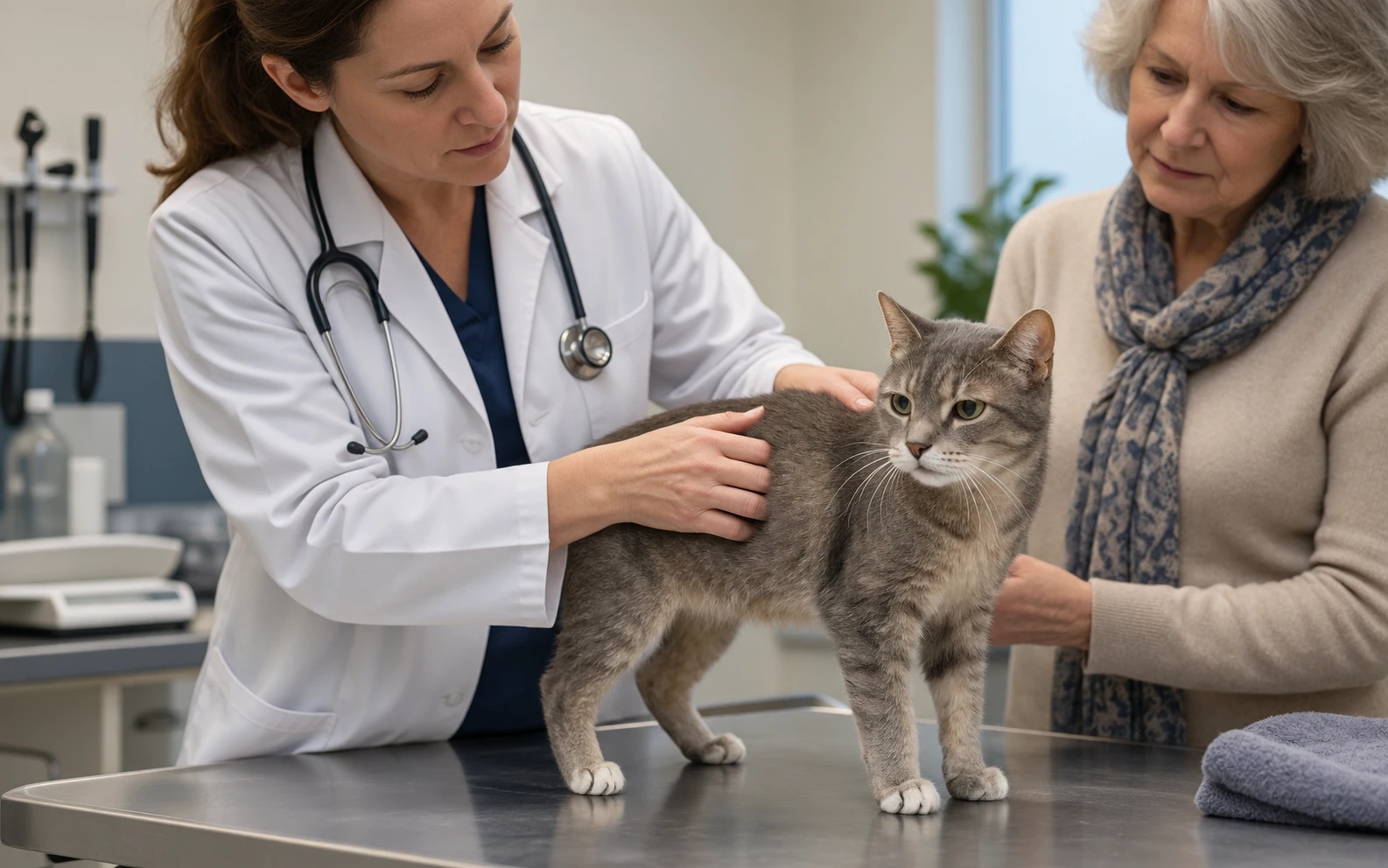
The veterinarian may evaluate your pet's body condition and muscle condition while examining the mouth, abdomen, heart, lungs, lymph nodes, skin, coat, and other areas. This can reveal changes that may not be obvious at home.
Step 3: Pet Diagnostic Testing
Depending on the findings, testing may include:
- Complete blood count (CBC)
- Blood chemistry profile
- Urinalysis
- Fecal testing
- Thyroid testing
- Blood glucose measurement
- X-rays
- Abdominal ultrasound
- Additional specialized laboratory tests
Not every pet needs every test. Diagnostic decisions should be individualized based on age, symptoms, examination findings, medical history, and initial test results.
When Should I Worry About My Pet Losing Weight?
Contact a veterinarian when weight loss is persistent, unexplained, or accompanied by other changes.
Pay particular attention to:
- Reduced or unusually increased appetite
- Vomiting or persistent diarrhea
- Increased thirst or urination
- Weakness or unusual tiredness
- Visible loss of muscle
- Difficulty chewing or swallowing
- Changes in stool
- Abdominal swelling
- Changes in breathing
- Significant behavioral changes
Rapid weight loss or weight loss accompanied by severe weakness, repeated vomiting, breathing difficulty, collapse, or other acute symptoms may require urgent veterinary assessment.
Monitoring Your Pet's Weight at Home
Early recognition starts with knowing what is normal for your pet. Consider keeping a simple record of your pet's weight and noting meaningful changes in appetite, water consumption, bowel movements, activity, and body condition. Photos taken periodically from the side and above can also help you notice gradual physical changes. For pets with chronic medical conditions or senior pets, your veterinarian may recommend more frequent weight and health checks.
The Takeaway: Weight Loss Is a Clue, Not a Diagnosis
Unexplained weight loss in pets should be viewed as information the body is providing not as a diagnosis on its own.
Sometimes the explanation may be relatively straightforward, such as insufficient calorie intake or a dental problem. In other cases, unexplained weight loss can lead veterinarians toward an underlying metabolic, gastrointestinal, endocrine, kidney, liver, or systemic disorder.
The goal of pet internal medicine and diagnostic testing is to identify what is driving the change so that treatment and nutritional support can be tailored to the individual animal.
Take the Next Step
If your dog or cat is becoming noticeably thinner without an obvious reason, don't wait for additional symptoms before mentioning it to your veterinarian. Schedule an examination, bring notes about changes you've observed, and ask whether diagnostic testing is appropriate.
Finding the reason behind unexplained weight loss is the first step toward helping your pet maintain a healthier, more comfortable life.
Veterinary Medical Center
Veterinary Medical Center is a full-service pet hospital that offers comprehensive medical services for cats and dogs in Sacramento and the surrounding areas.